Proteins: A Structural Overview
Proteins are complex macromolecules constructed from chains of amino acids linked by peptide bonds. There are twenty standard amino acids, of which nine are considered "essential" — meaning the human body cannot synthesise them and must obtain them from dietary sources. The quality of a protein source is therefore largely assessed by its amino acid composition, particularly the completeness and proportion of essential amino acids.
Plant-based protein sources present a distinct amino acid architecture compared to most animal-derived proteins. Understanding this distinction requires a closer examination of amino acid profiles and the concept of bioavailability — the proportion of a nutrient that is absorbed and utilised by the body following ingestion.
Amino Acid Profiles in Plant Foods
The majority of plant proteins are described as "incomplete" because they contain all twenty amino acids, but not always in the proportions required to meet human physiological needs. For example, legumes tend to be relatively low in the essential amino acid methionine, whilst being rich in lysine. Cereal grains, conversely, tend to be lower in lysine but provide adequate methionine. This complementary relationship forms the scientific basis of protein combining strategies in plant-based dietary approaches.
Bioavailability of Plant Proteins
Beyond amino acid composition, the bioavailability of plant proteins is influenced by several additional factors:
- Antinutritional factors: Some plant foods contain compounds such as phytates, tannins, and protease inhibitors that can reduce protein digestibility. Cooking, soaking, and fermentation methods have traditionally been used to reduce the impact of these compounds.
- Cell wall structure: The fibrous cell walls of plant tissues can impede the digestive access to protein contained within cells.
- Food matrix: The physical structure of the food — whether whole, milled, or processed — influences the rate and extent of protein digestion.
Notable Plant Protein Sources
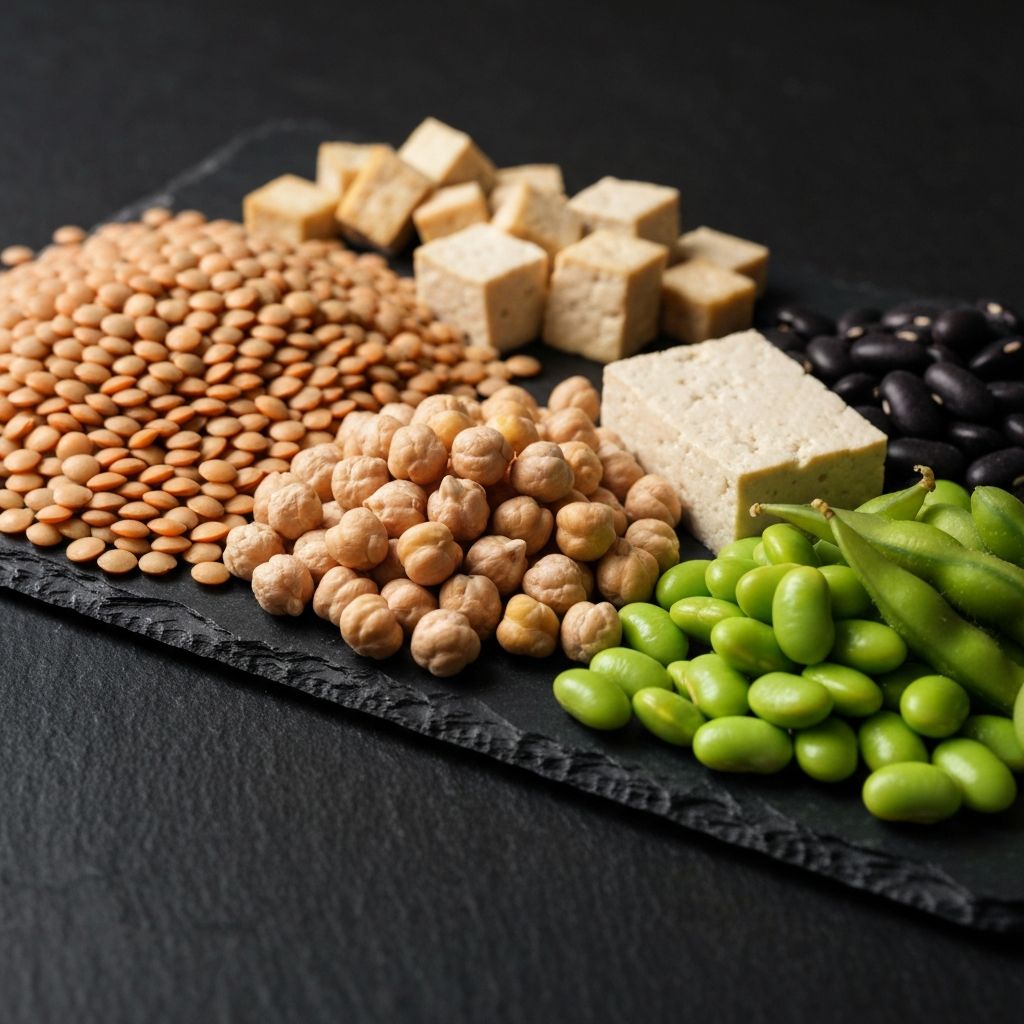
The following plant foods are among those most studied for their protein content and amino acid profiles: